
Two-Year-Old Racing Results UK: Spotting the Stars of Tomorrow
 Available in US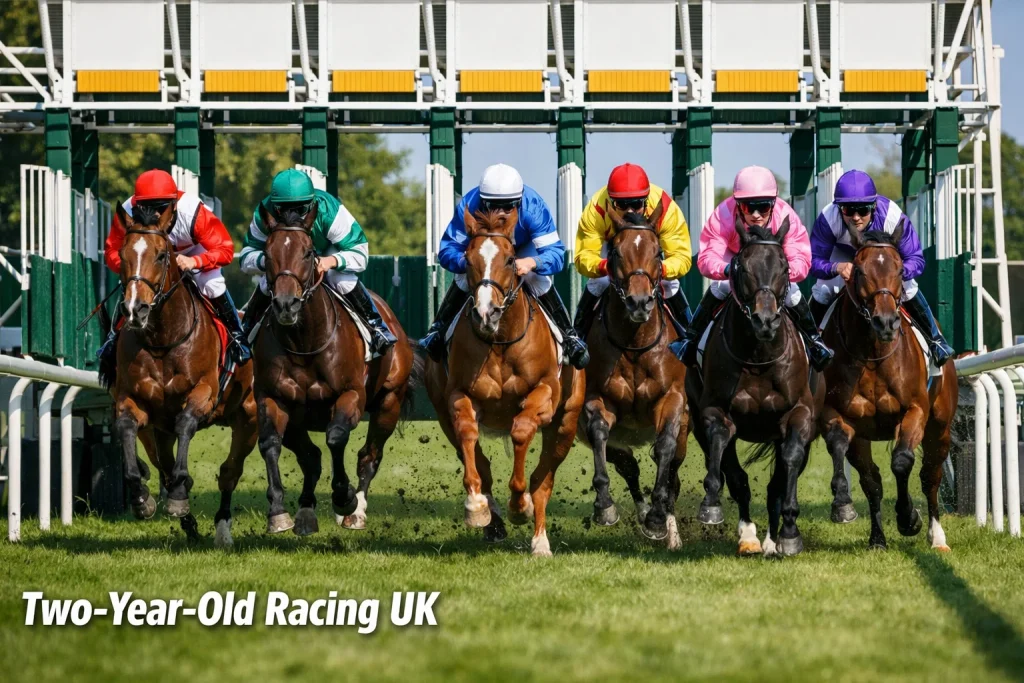
Two-year-old racing results reveal the stars of tomorrow while presenting unique analytical challenges. These juveniles race with minimal form, making early-season results difficult to interpret while offering opportunities for punters who can identify emerging talent before the market fully appreciates it. Results from two-year-old racing carry forward into classic campaigns, giving today's juvenile form lasting significance.
British racing had 3,190 two-year-olds in training as of mid-2024, representing horses making their racing debuts. Approximately 69% of British-bred foals eventually reach training, meaning these juveniles represent significant investment by breeders and owners who hope debut results will confirm potential suggested by pedigree and home gallops.
The excitement surrounding two-year-old results stems from their novelty and possibility. Every juvenile winner might be a classic contender; every impressive debut could announce a future champion. Results from two-year-old racing fuel dreams while demanding analytical approaches different from assessing exposed older horses.
The Juvenile Racing Season
Two-year-old racing begins in late March when the flat turf season opens, though early runners tend to be precocious types ready to race before most juveniles mature sufficiently. Results from these opening weeks feature small fields of forward horses whose debut timing signals trainer confidence.
April through June sees increasing two-year-old activity as more juveniles reach racing fitness. Results from this period establish the first form lines that will guide assessment throughout the season. Early winners gain experience advantages over later debutants.
Royal Ascot in June provides the first championship examination for two-year-olds. Results from the Coventry Stakes, Norfolk Stakes, and Albany Stakes identify leading juveniles who have proven their ability against quality opposition. Ascot results carry significant weight for subsequent assessment.
Mid-season from July through August sees the bulk of two-year-old racing as most juveniles make their debuts. Results from these months establish the form foundation that carries into autumn. Maidens become harder to win as quality improves throughout the season.
Autumn two-year-old racing culminates in pattern races that identify classic contenders for the following year. Results from the Dewhurst Stakes, Fillies' Mile, and other Group 1 events determine winter favourites for the Guineas and beyond. September and October results carry enormous long-term significance.
Reading Debut Results
First-time-out results lack previous form, requiring alternative analytical approaches. Breeding analysis provides expectations—offspring of proven sires from productive dams should possess ability. Market moves suggest connections' confidence; significant gambles on debutants indicate private knowledge from home gallops.
Finishing position matters less than manner of running for debutants. A horse who finishes third but runs on well having been slowly away shows more than one who finishes second but weakens late. Comments in results provide crucial context that bare positions obscure.
Distance beaten on debut requires contextual interpretation. Five lengths behind an impressive winner means less than two lengths behind a modest one. Results must account for winner quality when assessing beaten debutants.
Track and trip suitability affects debut performance without reflecting ability. A horse bred for middle distances debuting over five furlongs might struggle with pace requirements; subsequent attempts at further trips often show improvement. Debut results carry conditions that may not recur.
Trainer patterns inform debut expectations. Some trainers rarely win with debutants, preferring educational first runs; others target debut success specifically. Statistics showing trainer debut strike rates contextualise individual results appropriately.
Development Through the Season
Improvement from debut to second run follows predictable patterns. First-run experience teaches juveniles about racing; most improve significantly on reappearance. Results showing horses winning second time out after promising debuts represent normal development.
Physical development transforms juveniles between spring and autumn. Results from early-season runs may not reflect ability that emerges once horses strengthen. Late-blooming types whose results improve through the season often train on into three-year-old careers while early speedsters sometimes fail to progress.
Distance progression sees most juveniles stretch out through the season. Early runs over five furlongs establish speed; subsequent attempts at six furlongs then seven reveal stamina development. Results across increasing distances show whether horses truly stay further or merely cope temporarily.
Class progression separates genuine quality from horses who merely won weak races. Results from novice and maiden victories must lead to pattern race attempts that confirm ability against better opposition. Horses whose results plateau after initial success lack the quality for higher levels.
Key Two-Year-Old Races
The Coventry Stakes at Royal Ascot identifies the leading two-year-old colt after the first phase of the season. Results from this Group 2 contest often preview future Group 1 performers. Coventry winners frequently contest the following year's classics.
The July Stakes and Richmond Stakes continue pattern race examination through summer. Results from these Newmarket and Goodwood contests identify horses progressing through the ranks. Winners who return to defend reputations in autumn prove their quality through sustained results.
The Gimcrack Stakes at York provides northern examination for top two-year-olds. Results from the Ebor meeting's juvenile feature identify horses whose ability extends beyond their home tracks. The Gimcrack carries tradition that motivates connections targeting this specific prize.
Autumn Group 1 races—the Middle Park Stakes, Dewhurst Stakes for colts, the Cheveley Park and Fillies' Mile for fillies—produce results that determine classic market leaders. These races represent the juvenile season's conclusions, with results forecasting the following spring's championship contenders.
Analysing Limited Form
Two-year-old form requires different weighting than exposed horses' records. Single runs carry significance that would seem excessive for older horses—one impressive juvenile result might prove more than five moderate runs from a four-year-old. Limited opportunities make each result proportionately important.
Form franking validates two-year-old results retrospectively. When a horse beaten in a juvenile race subsequently wins impressively, the earlier result gains significance. Tracking how races work out through subsequent results measures true contest quality.
Breeding analysis fills gaps that limited form leaves. Results from close relatives—siblings or dam's earlier offspring—suggest potential that limited personal results cannot reveal. Pedigree provides context when form lacks volume.
Physical observation supplements results analysis for juveniles. Horses who look immature might improve as they develop; those already filled out may have reached physical ceilings. Visual assessment adds dimensions that results alone cannot capture.
Trainer comments following runs provide insight beyond bare results. Reports of horses learning, needing further, or showing potential despite defeat contextualise results for future assessment. These qualitative inputs matter more for juveniles than for exposed older horses whose form speaks definitively.
Market behaviour around two-year-olds reveals connections' expectations. Juveniles backed heavily on debut often represent informed money on private trials; those drifting in betting suggest less confidence. Market analysis supplements results interpretation for horses with minimal public form.
Stable companions' results inform assessment of related juveniles. When one horse from a yard wins impressively, others from the same group deserve attention. Stable form patterns provide context when individual results remain limited.
Two-year-old results require constant revaluation as the season progresses. Early-season form may prove worthless by autumn when physical development transforms relative abilities. Maintaining flexibility about juvenile assessments prevents clinging to outdated form that new results have superseded.
The stars of tomorrow emerge from today's two-year-old results. Identifying future champions before the market fully appreciates them represents the ultimate two-year-old form analysis reward—backing classic winners at prices they'll never see again once their ability becomes obvious.
Two-year-old racing results demand specialised analysis that differs from assessing exposed older horses. Limited form, rapid development, and unknown potential create both challenges and opportunities. Punters who master juvenile assessment gain advantages that persist throughout horses' subsequent careers.
